





Sports performance and injury prevention advice from Burton Physio Group and Burton Physio Group Derby
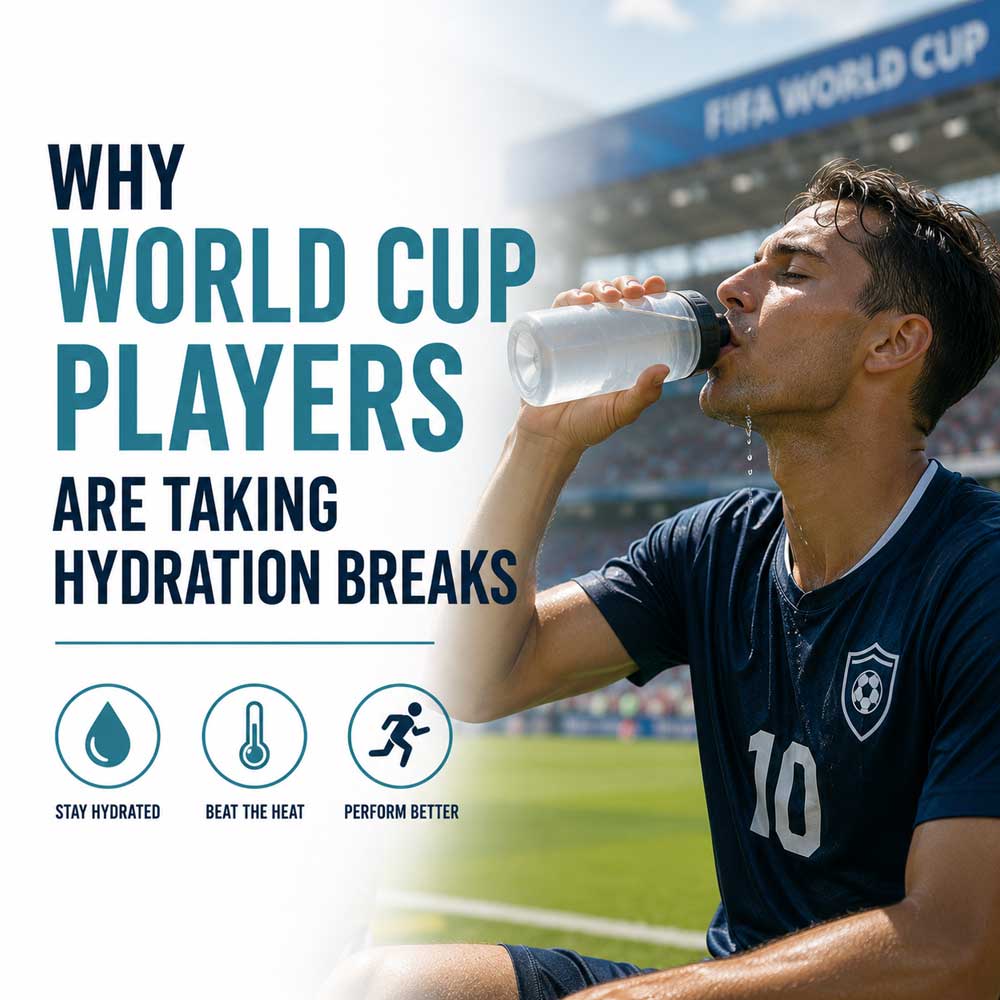
If you’ve been watching international football this summer, you may have noticed scheduled hydration breaks being used during matches. At Burton Physio Group and Burton Physio Group Derby, we often explain to patients that this is not just a rule change for elite sport — it reflects a fundamental principle of exercise physiology that applies to everyone.
Hydration breaks are introduced in professional football to reduce the risk of heat-related illness, maintain performance and protect players from dehydration during high-intensity exercise in warm conditions. The same principles apply whether you are running, cycling, playing football or exercising outdoors recreationally.
Understanding hydration is an important part of sports injury prevention, performance optimisation and safe exercise in hot weather.
Why hydration is essential during exercise
When you exercise, your body produces sweat to regulate temperature. As intensity and environmental temperature increase, sweat loss also increases.
Sweat contains not only water but also essential electrolytes, including:
- Sodium
- Potassium
- Magnesium
- Calcium
These electrolytes are critical for:
- Muscle contraction and control
- Nerve signalling
- Fluid balance regulation
- Maintaining exercise performance
When these are lost through sweat and not adequately replaced, both performance and recovery can be negatively affected.
What dehydration does to the body
Even mild dehydration can have a measurable impact on physical and cognitive performance.
Common symptoms include:
- Fatigue and reduced endurance
- Headaches
- Dizziness or light-headedness
- Poor concentration and coordination
- Muscle cramps
- Elevated heart rate during exercise
Research shows that fluid losses of around 2% of body weight can significantly reduce exercise performance, endurance capacity and perceived effort.
This is particularly relevant for runners, footballers and anyone participating in endurance or outdoor exercise in warm conditions.
What elite sport teaches us about hydration
The introduction of hydration breaks in professional football highlights an important point: hydration is a performance requirement, not an optional extra.
One of the most common mistakes seen in recreational sport is waiting until thirst develops before drinking. However, thirst is often a late indicator of dehydration, meaning fluid balance has already started to decline.
A more effective approach is:
- Drinking small amounts regularly throughout exercise
- Increasing fluid intake during longer or more intense sessions
- Planning hydration before symptoms appear
For exercise lasting under one hour, water is usually sufficient. For longer sessions, endurance activities or heavy sweating, electrolyte-containing drinks may be beneficial.
Hydration strategies for exercise and sport
Whether you are training for fitness, returning to activity or playing sport, hydration should be planned as part of your routine.
Helpful strategies include:
- Drink regularly before, during and after exercise
- Avoid relying on thirst alone
- Monitor urine colour as a general hydration guide
- Increase fluid intake in hot or humid conditions
- Consider electrolytes for prolonged or intense activity
Just as professional athletes structure hydration into match play, recreational exercisers should build it into training sessions.
Exercising safely in hot weather
Hot conditions place additional stress on the cardiovascular and thermoregulatory systems.
To reduce risk of heat-related illness:
- Exercise early in the morning or later in the evening
- Avoid peak daytime temperatures where possible
- Wear lightweight, breathable clothing
- Use shaded areas for rest breaks
- Reduce intensity if conditions are extreme
Warning signs of dehydration and heat illness
If any of the following symptoms occur during exercise, activity should be stopped immediately:
- Dizziness or light-headedness
- Nausea
- Severe fatigue
- Headache
- Muscle cramps
- Feeling unusually hot or flushed
These may indicate dehydration or early heat exhaustion.
Move to a cool environment, begin rehydration and seek medical advice if symptoms persist or worsen.
Why hydration matters for injury prevention
Hydration is not only about performance — it also plays a role in muscle function and injury risk.
Dehydration can contribute to:
- Increased muscle fatigue
- Reduced coordination
- Higher perceived effort
- Slower reaction times
These factors may increase the likelihood of strains, sprains and overuse injuries during sport and exercise.
Final Thoughts
- Hydration breaks in elite football reflect real exercise physiology principles
- Even mild dehydration can reduce performance and increase fatigue
- Thirst is a late sign — regular fluid intake is more effective
- Electrolytes may be useful during prolonged or intense exercise
- Hot weather significantly increases hydration needs
- Early symptoms of dehydration should be taken seriously
- Hydration is a key part of injury prevention and safe training
